
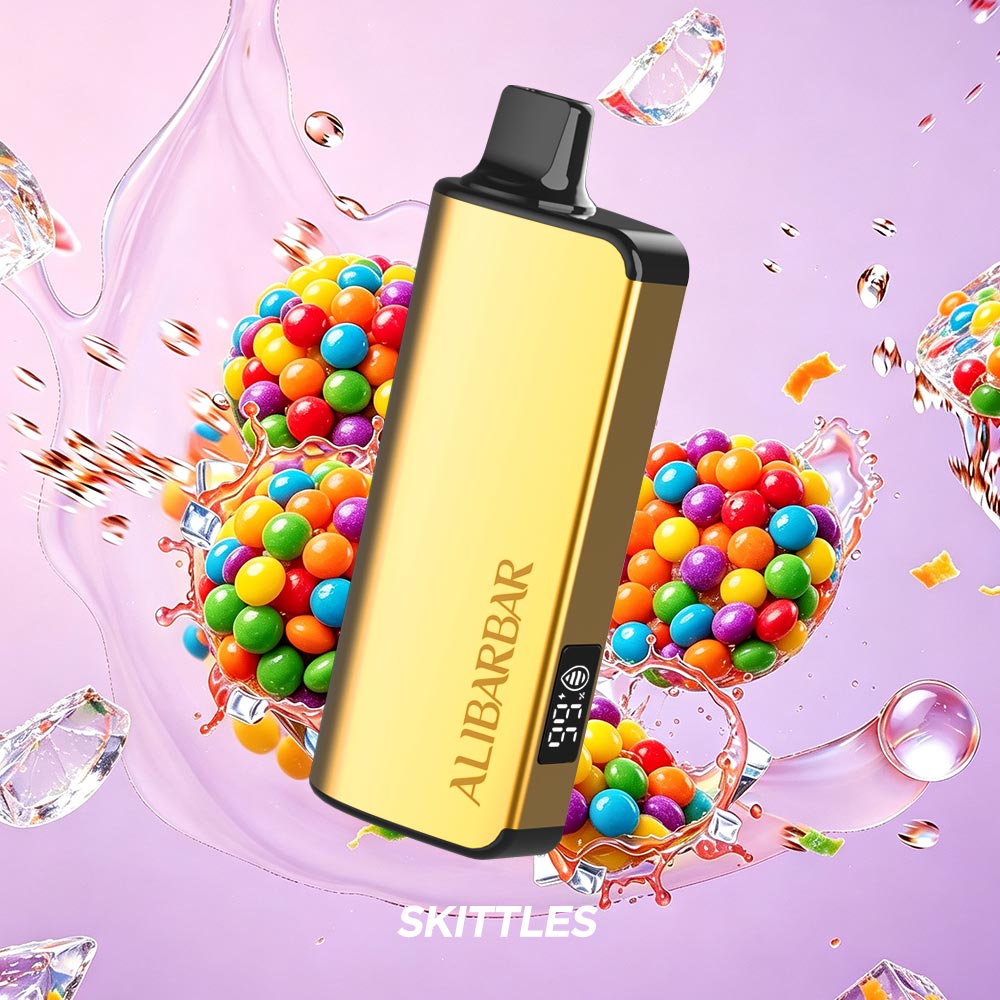
 ALIBARBAR INGOT 9000 Puffs
 IGET ONE 12000 Puffs
 IGET BAR PRO 10000 Puffs
 Swix Vape 9000 Puffs



ALIBARBAR Ingot 9000 flavour names often combine a main fruit with words such as Ice, Mint, Nana or several fruits in one name. Those words are useful clues, but they are not a precise formula for sweetness, cooling strength or the exact balance between ingredients. This guide explains how to read the naming style so you can understand the expected flavour direction before comparing individual options.
Think of the product name as a flavour direction, not a laboratory specification. It can tell you whether the profile is likely to be fruit-led, cooling-led, mint-led or blended, but individual taste perception and the balance between notes can still vary.

Why ALIBARBAR Flavour Names Matter
A long flavour list can look complicated because some names describe a single fruit, while others combine several fruits or add words such as Ice and Mint. The easiest way to make sense of the range is to break each name into two parts:
This is usually the fruit, mint or candy-style idea at the centre of the name. Examples include watermelon, strawberry, grape, peach and mint.
A second word may signal cooling, a second fruit or a broader style. “Ice” is a cooling modifier, while a name containing several fruits signals a blended profile.
This approach is more useful than treating every flavour as a completely separate category. Once you understand the naming pattern, it becomes easier to identify whether a flavour is likely to be straightforward, cooling-focused, mint-led or more layered.
What Does “Ice” Mean in an ALIBARBAR Flavour Name?
When Ice appears after a fruit name, it generally signals that the fruit profile is paired with a noticeable cooling direction. The fruit remains the main identity, while “Ice” tells you to expect freshness or a colder finish as part of the overall concept.
For example, a name such as Watermelon Ice is easy to read:
The main fruit direction.
A cooling modifier added to the fruit profile.
What “Ice” does not tell you is the exact cooling strength. One ice-style flavour may feel lighter or stronger than another, and personal sensitivity to cooling also differs. It is therefore better to read “Ice” as a category signal rather than a fixed intensity rating.

What Does “Mint” Mean?
Mint is slightly different from Ice. Ice is often attached to a fruit as a cooling modifier, whereas a mint-based name usually makes mint or freshness a more obvious part of the flavour identity itself.
This distinction is useful when comparing names:
| Term | What It Usually Signals | How to Read It |
|---|---|---|
| Ice | Cooling added to another main flavour | Fruit first, cooling as a modifier |
| Mint | Mint or freshness as a central flavour direction | Freshness is part of the main identity |
A name such as Miami Mint therefore belongs more naturally to the mint-led side of the range than to the standard fruit-plus-ice category. The name still does not provide an exact sweetness or cooling score, but it makes the expected direction clearer.
What Does “Nana” Mean?
In flavour naming, Nana is commonly used as a shortened form of banana. That makes a name such as Straw Nana easier to decode: “Straw” points toward strawberry and “Nana” points toward banana.
The result is a mixed strawberry-and-banana direction rather than a completely separate mystery flavour. That also explains why the name feels different from a straightforward single-fruit option: it is intended to communicate a softer two-fruit combination.
One of the useful examples in the current range is ALIBARBAR Straw Nana. The important SEO and shopping distinction here is that the product name itself is still “Straw Nana”; the expanded wording simply helps explain what the shorthand is intended to communicate.
“Nana” helps identify the banana direction, but it does not tell you whether banana will feel stronger than strawberry, how sweet the blend will be or whether every person will describe the balance in the same way.
How to Read Mixed-Fruit Names
Some ALIBARBAR names are more literal: they simply list several flavour components. These are best understood as mixed-fruit profiles.
Take ALIBARBAR Strawberry Coconut Watermelon as an example. The name tells you that strawberry, coconut and watermelon all belong to the intended flavour direction. It is more layered than a single-fruit name because several recognizable components are combined in one profile.
Provides the berry-fruit direction.
Adds a more tropical, rounded element to the name.
Adds a lighter melon-fruit direction to the blend.
The same principle applies to ALIBARBAR Strawberry Watermelon. Because there are two named fruits rather than three, the concept is easier to read: strawberry and watermelon form the main blended direction.
One thing the order of the words does not guarantee is the exact ratio. A three-fruit name should not automatically be interpreted as equal thirds, and the first fruit in the name is not necessarily a measured percentage of the final profile.

How to Read Candy-Inspired Names
Not every ALIBARBAR flavour name is built from literal fruit ingredients. Some names are better understood as candy-inspired or sweet-profile labels.
Examples in the broader range include names such as Skittles, Yellow Starburst and Hubba Bubba Grape. The useful way to read these is not as a recipe or a claim of official brand affiliation, but as a clue that the flavour concept sits closer to a sweeter, confectionery-style direction than a simple fresh-fruit profile.
That distinction matters when comparing categories. A person comparing Watermelon Ice with a candy-inspired option is not only choosing between two names; they are comparing two different flavour directions:
| Naming Style | Main Signal | Example Direction |
|---|---|---|
| Single Fruit | One main fruit | Simple fruit-led profile |
| Fruit + Ice | Fruit plus cooling | Refreshing fruit direction |
| Mint | Freshness or mint at the centre | Mint-led profile |
| Nana | Banana shorthand | Banana-containing blend |
| Mixed Fruit | Several named fruits | Layered fruit direction |
| Candy-Inspired | Sweeter confectionery concept | Candy-style flavour direction |
A Simple Method for Comparing ALIBARBAR Flavour Names
If you are looking at several names and are not sure where to start, use the following three-step method.
Identify the main fruit, mint or sweet-profile idea. This tells you the broad category first.
Words such as Ice or extra fruit names tell you whether cooling or blending is part of the concept.
A single-fruit name is usually easier to read than a three-fruit blend, while candy-style names rely more on the overall concept than literal ingredients.
Using this method, you can quickly separate a flavour list into groups instead of comparing every name from scratch. That is especially useful when several names share the same fruit family but differ in cooling or blended components.
What a Flavour Name Cannot Tell You
Flavour names are useful, but they have limits. A name cannot reliably tell you:
- the exact sweetness level;
- the exact cooling intensity;
- the precise proportion of each fruit in a mixed blend;
- which named note will feel strongest to every person;
- whether two people will describe the same flavour in identical terms.
That is why Puffdeal flavour guides are more useful when they describe direction rather than promising a universal taste experience. Names help narrow the range, while personal preference still determines which option feels most suitable.

Frequently Asked Questions
Browse the current ALIBARBAR Ingot 9000 range and compare available flavour names and product information.
VIEW ALIBARBAR COLLECTION